
What to Know When Buying a Vacant Home
Buying an empty home can present opportunities, but it can also come with hidden expenses and unexpected risks. Learn what to inspect, which warning signs to watch for, and how to protect your investment.
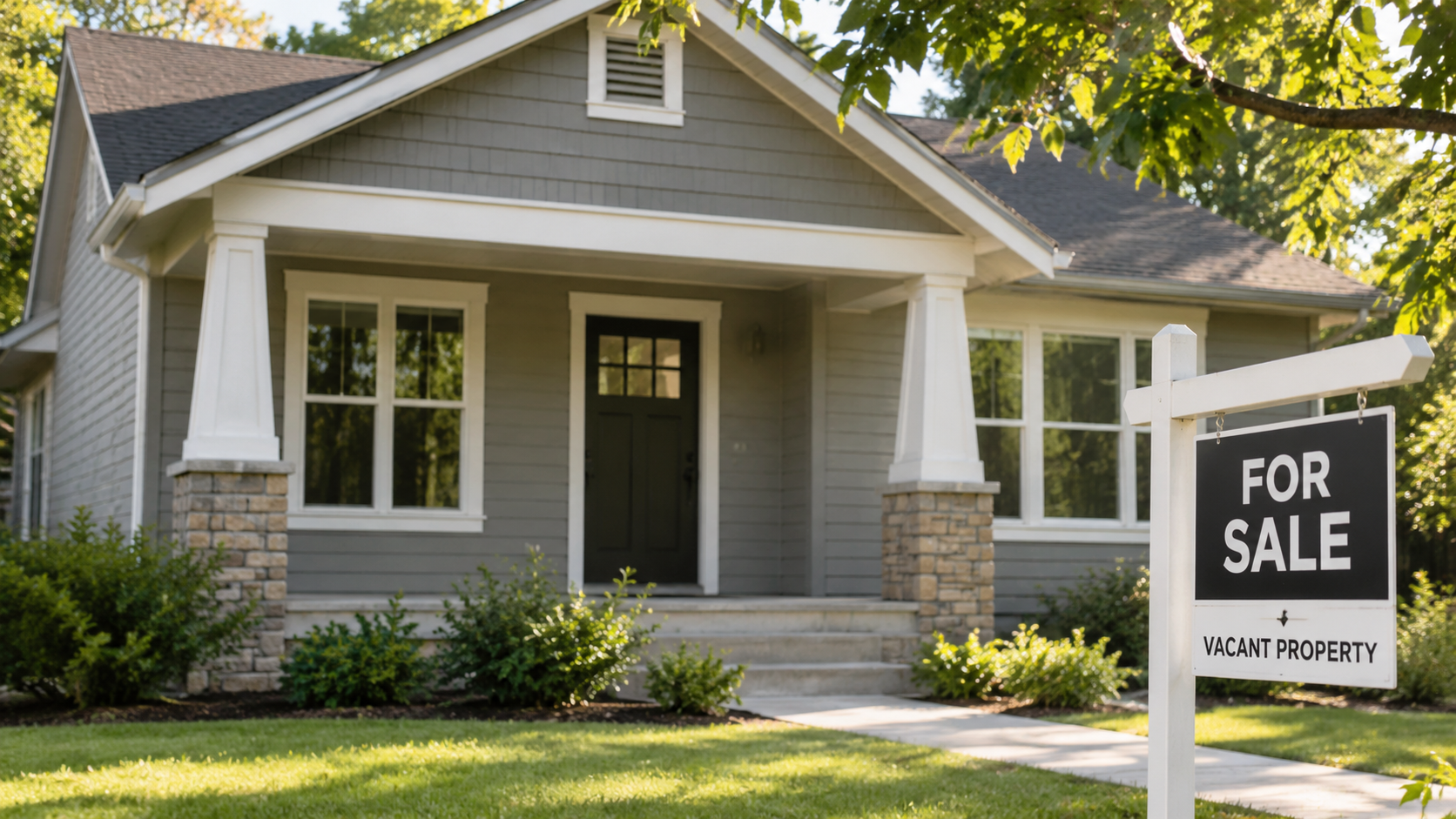
Is Buying a Vacant Home a Good Idea?
Vacant homes can be attractive to buyers looking for a primary residence, rental property, or renovation project. In some cases, an empty property may be available for a faster closing or offer room for improvements.
However, a house that has been sitting empty may have problems that aren't immediately obvious during a walkthrough. Plumbing systems may have gone unused, maintenance could have been delayed, and damage may have remained undiscovered for weeks or months.
Before buying a vacant home, focus on understanding the property's condition, ownership status, potential repair costs, and insurance requirements.
A professional inspection, careful review of available disclosures, and realistic repair budget can help you make a more informed purchase decision.
6 Things to Check Before Buying a Vacant Home
These common concerns deserve extra attention when evaluating a property that has been empty for an extended period.
Limited Inspections
Utilities may be disconnected, preventing an inspector from fully testing plumbing, electrical systems, heating, and cooling. Ask whether utilities can be safely restored for inspection before closing.
Unauthorized Occupants
Some empty properties may attract trespassers or unauthorized occupants. Confirm that the seller can deliver lawful, vacant possession and consult a qualified professional if an occupancy issue is discovered.
Pests and Vermin
Rodents, termites, and other pests can remain unnoticed in unoccupied homes. Look for droppings, damaged wood, nesting materials, and other evidence of infestation.
Deferred Repairs
Roofing, gutters, windows, foundations, and exterior surfaces may need attention. Ask for maintenance records and consider obtaining estimates for major repairs before finalizing your budget.
Water and Mold Damage
Plumbing leaks, roof damage, or poor drainage can cause water intrusion. Look for staining, musty odors, warped flooring, and other signs that warrant further evaluation.
Unused Appliances
Refrigerators, ovens, water heaters, and HVAC equipment may have been unused for months. Test included appliances when possible and budget for potential replacement.
Look Beyond the Purchase Price
The advertised price is only one part of the cost of purchasing a vacant home. A property that appears affordable may require substantial work before it can be occupied or rented.
Consider the potential cost of inspections, repairs, utility activation, pest treatment, property taxes, security, and insurance.
It's also wise to leave room in your budget for unexpected discoveries after closing, particularly when purchasing an older property or a home with incomplete maintenance records.
Expenses Worth Planning For
Vacant Home Buyer's Checklist
Use these steps to organize your due diligence before purchasing.
Ask about structural, roofing, plumbing, electrical, and HVAC conditions.
Work with the appropriate professionals to review title, liens, and closing requirements.
Make sure the property can be lawfully delivered as agreed in the purchase contract.
Determine whether systems can be safely activated and tested before closing.
Obtain qualified contractor estimates for significant repairs or renovations.
Discuss vacancy, renovation, and occupancy plans with an insurance agent.
Don't Overlook Insurance Before Closing
If your newly purchased home will remain vacant, it's important to discuss the property's status with your insurance provider before the purchase is finalized.
Standard homeowners insurance may contain restrictions or exclusions relating to vacancy. Some properties may require a specialized policy, depending on their condition, intended use, and vacancy period.
A vacant property policy may offer certain protections for eligible buildings, but coverage is not identical across insurers. Review covered causes of loss, deductibles, exclusions, and any inspection or maintenance requirements.
Request a Vacant Home Quote →Questions to Ask Your Agent
- Does the insurer consider this property vacant or unoccupied?
- Is the property's current condition eligible for coverage?
- Which causes of loss are covered, and which are excluded?
- Are there inspection, security, or maintenance requirements?
- Will planned renovations affect the policy?
- What should I do when the property becomes occupied?
Buying a Vacant Home? Protect Your Investment.
Explore insurance options for your vacant property with SkyBlue Insurance. Our agents can help you review available coverage based on your property's needs.
More Vacant Property Resources
Explore additional information about owning and protecting vacant homes.
